Mithun Veluru.Backend systems that stay correct under load.
Software engineer working on APIs, distributed state and developer infrastructure, and the products that sit on top of them. Final year of B.Tech CSE at VIT Vellore.
Selected work
Four systems, each built end to end.
The engineering problem mattered more than the demo. Each one has a case study: what it does, how it is built, and what the tradeoffs cost.
01 · Open-source library
FluxLimit
Distributed API rate limiting for Java 21. The algorithm runs inside the store: one atomic decision per request, from one JVM to a Redis-backed fleet.
Read the case study02 · Full-stack application
ClearClause
Document risk intelligence for loan, rental and property agreements. A rule engine decides every finding; the language model only explains one.
Read the case study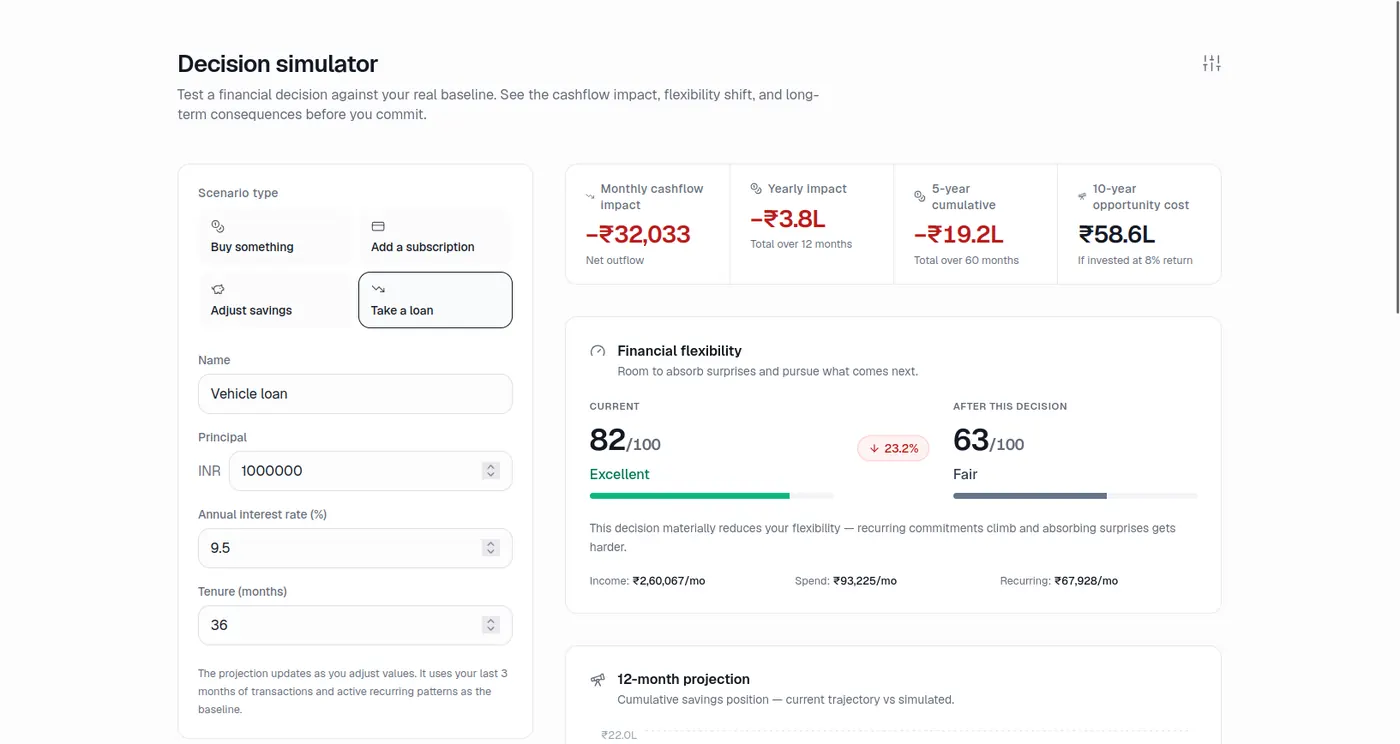
03 · Web app + desktop companion
FlowSight
Personal finance analysis over data you bring yourself: CSV, manual entry or a receipt photo. OCR drafts a transaction; nothing is saved until you confirm it.
Read the case study04 · Distributed system
Traya
Incident intelligence for distributed systems: detection, a reconstructed timeline, and a root cause with its evidence and an honest confidence.
Read the case study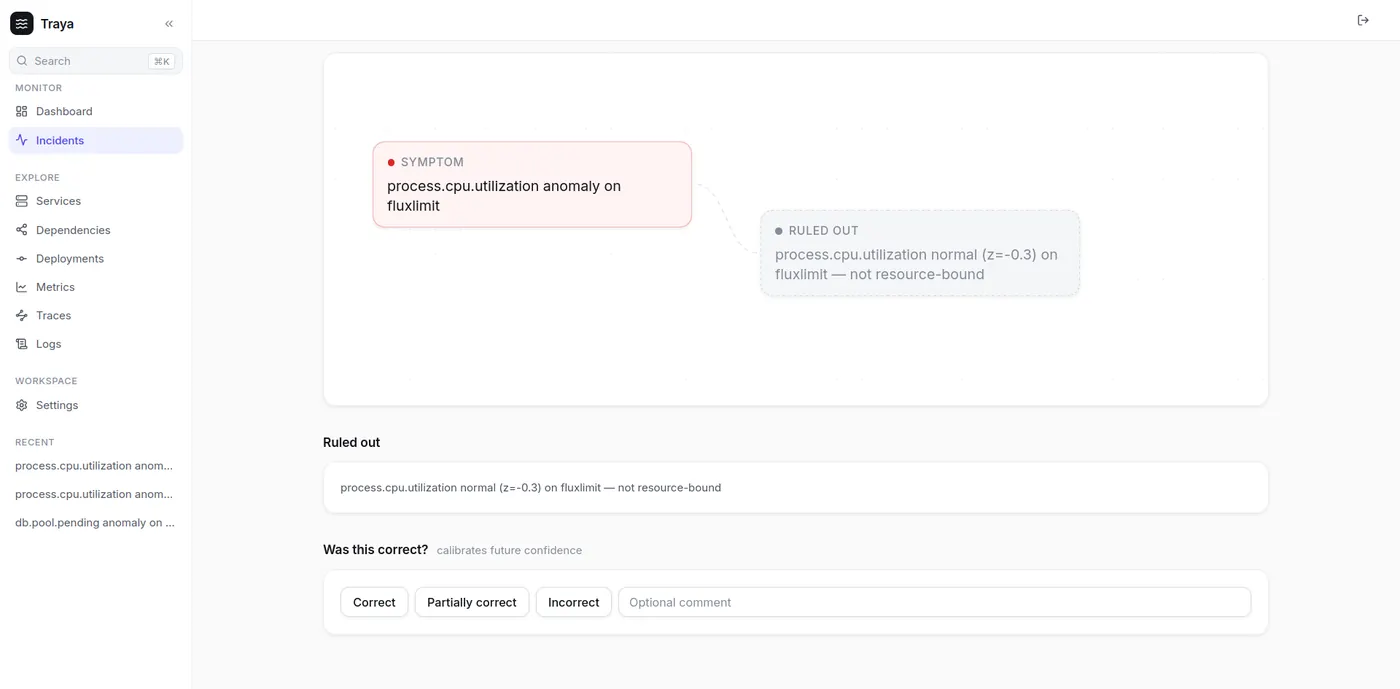
Also built
Desktop app
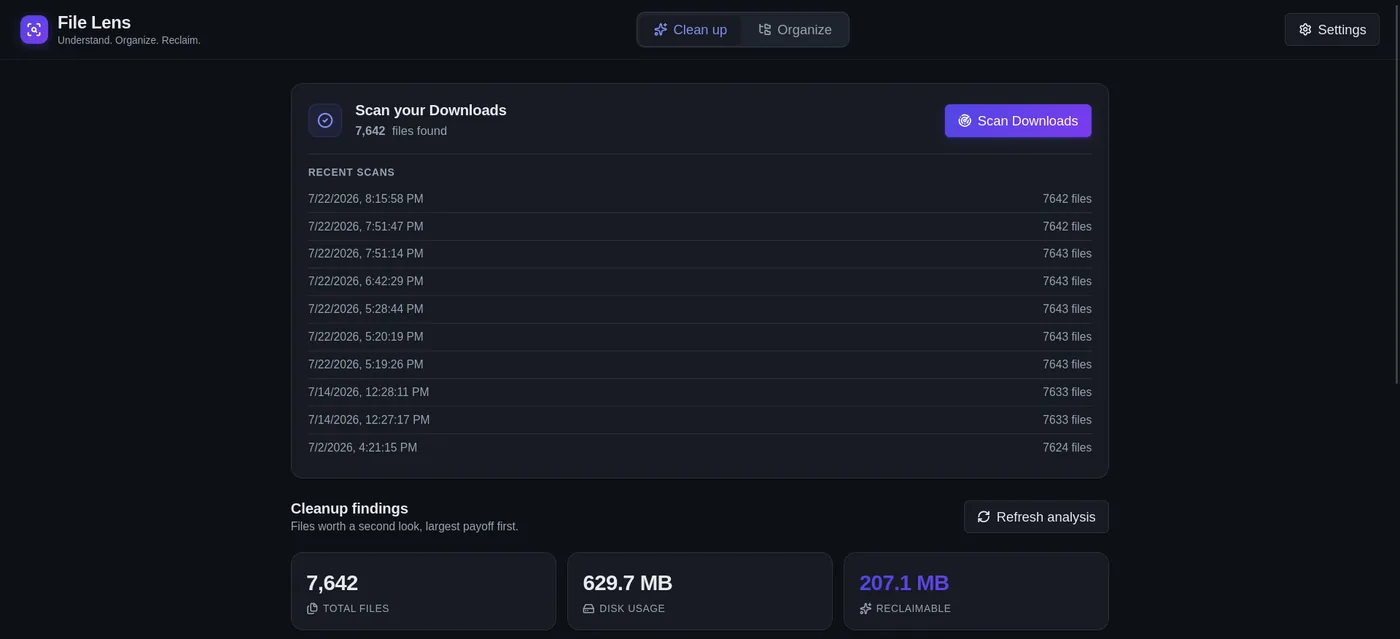
FileLens
Makes sense of a cluttered Downloads folder: what is taking up space and why. Duplicates are confirmed by content, through size groups, a sampled fingerprint and a full BLAKE3 hash. Every plan is reviewed before it runs, and cleanup goes to the Recycle Bin.
View the sourceSecurity tool
TrueRedact
Detects fake PDF redactions: a black box drawn over text that is still in the file. It reads the PDF’s object structure rather than its pixels, so every finding is a reproducible fact. Offline, no OCR.
View the sourceAbout
I learned most of this by building things that broke, then working out why.
I am more interested in what sits underneath an interface than the interface itself: APIs, databases, concurrency, and the systems that keep software honest when nobody is watching.
-
Correctness before throughput
FluxLimit runs the whole algorithm inside the store, in one atomic step on one clock, so two servers can never spend the same permit. The speed came after.
-
Rules decide, models explain
ClearClause’s rule engine produces every finding; the LLM may only rephrase one. FlowSight’s OCR only drafts. Traya keeps ML off the critical path until there are labels to learn from.
-
Fail on purpose
Every failure mode is chosen, and visible. FluxLimit flags a degraded answer; ClearClause’s token revocation fails closed while its rate limiter fails open.
Experience
Backend work on production platforms.
-
2026
Hanco Automotive Software Engineer Intern
Jeddah · May — Jul
Backend work on a microservices SaaS platform: REST APIs on PostgreSQL, JUnit coverage for the services I owned, and Docker with GitHub Actions for the deploy pipeline.
-
2025
Techvaria Software Engineer Intern
Remote · Jun — Jul
FastAPI services on MongoDB, and data pipelines with Pandas and NumPy for user-activity analytics, reported through Power BI.
-
2023 — 27
VIT Vellore B.Tech, Computer Science and Engineering
GPA 9.27
Technical index
What I build with.
Languages
- Java
- Python
- TypeScript
- Rust
- Lua
- C++
Backend & APIs
- Spring Boot
- FastAPI
- Celery
- REST
- JUnit
Data & distributed
- PostgreSQL
- Redis
- Kafka
- ClickHouse
- Qdrant
- MongoDB
Infrastructure
- Docker
- GitHub Actions
- OpenTelemetry
- Prometheus, Grafana
- AWS
- Linux
Frontend & apps
- React
- Next.js
- Tauri
Contact
Get in touch.
Open to backend, systems and infrastructure roles. Email is the quickest way to reach me.